> ## Documentation Index
> Fetch the complete documentation index at: https://kb.hosting.com/llms.txt
> Use this file to discover all available pages before exploring further.
# Managing MySQL databases and users
> Master MySQL database management: create, modify, and delete users; manage permissions; and handle databases efficiently.
This article describes how to use cPanel to manage MySQL databases and users. You can add, modify, and delete databases and users, as well as manage user database permissions.
## Managing database users
To access MySQL databases, you must first create at least one user. The following procedures describe how to manage MySQL database users using cPanel.
### Creating a database user
To create a MySQL database user, follow these steps:
1. Log in to cPanel.
> 📘 Note
>
> If you do not know how to log in to your cPanel account, please see [this article](/docs/accessing-cpanel).
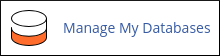
2. On the **Tools** page, in the **Databases** section, click **Manage My Databases**:\
> 📘 Note
>
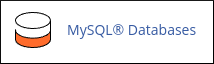
> If you are using cPanel version 118 or earlier, click **MySQL Databases** instead:\
> 
3. Under **Add New User**, in the **Username** text box, type the MySQL username.
4. In the **Password** text box, type the user password.
5. In the **Password (Again)** text box, retype the user password.
> 👍 Tip
>
> You can click **Password Generator** and cPanel generates a random, strong password for you.
6. Click **Create User**. cPanel creates the database user.
### Changing a user's password
You can change a database user's password. You may want to do this for security reasons (changing passwords periodically is a good security practice), or you may need to do this if you forget the password.
To change a MySQL user's password, follow these steps:
1. Log in to cPanel.
> 📘 Note
>
> If you do not know how to log in to your cPanel account, please see [this article](/docs/accessing-cpanel).
2. On the **Tools** page, in the **Databases** section, click **Manage My Databases**:\

> 📘 Note
>
> If you are using cPanel version 118 or earlier, click **MySQL Databases** instead:\
> 
3. Under **Current Users**, locate the user for which you want to change the password, and then click **Change Password**.
4. In the **Password** and **Password (Again)** text boxes, type the new password.
> 👍 Tip
>
> You can click **Password Generator** and cPanel generates a random, strong password for you.
5. Click **Change Password**. The new password takes effect immediately.
### Renaming a user
To rename a MySQL user, follow these steps:
1. Log in to cPanel.
> 📘 Note
>
> If you do not know how to log in to your cPanel account, please see [this article](/docs/accessing-cpanel).
2. On the **Tools** page, in the **Databases** section, click **Manage My Databases**:\

> 📘 Note
>
> If you are using cPanel version 118 or earlier, click **MySQL Databases** instead:\
> 
3. Under **Current Users**, locate the user that you want to rename, and then click **Rename**.
4. In the **New name** text box, type the new name, and then click **Proceed**. cPanel renames the user.
### Deleting a user
When you delete a user, the user and its database permissions are deleted.
**️ Warning**
Make sure you do not have any applications that currently use the database user!
To delete a MySQL user, follow these steps:
1. Log in to cPanel.
> 📘 Note
>
> If you do not know how to log in to your cPanel account, please see [this article](/docs/accessing-cpanel).
2. On the **Tools** page, in the **Databases** section, click **Manage My Databases**:\

> 📘 Note
>
> If you are using cPanel version 118 or earlier, click **MySQL Databases** instead:\
> 
3. Under **Current Users**, locate the user that you want to delete, and then click **Delete**.
4. Click **Delete User** to confirm the deletion.
## Managing databases
After you create a database user, you are ready to create a database and associate the user with the new database.
### Creating a database
To create a MySQL database, follow these steps:
1. Log in to cPanel.
> 📘 Note
>
> If you do not know how to log in to your cPanel account, please see [this article](/docs/accessing-cpanel).
2. On the **Tools** page, in the **Databases** section, click **Manage My Databases**:\

> 📘 Note
>
> If you are using cPanel version 118 or earlier, click **MySQL Databases** instead:\
> 
3. Under **Create New Database**, in the **New Database** text box, type the name of the database.
4. Click **Create Database**. cPanel creates the database.
> 📘 Note
>
> When you create a database, your username is prefixed to the database name. For example, if your username is *username*, and you create a database named *database*, the actual MySQL database name is *username\_database*.
### Adding a user to a database
To add a MySQL user to a database, follow these steps:
1. Log in to cPanel.
> 📘 Note
>
> If you do not know how to log in to your cPanel account, please see [this article](/docs/accessing-cpanel).
2. On the **Tools** page, in the **Databases** section, click **Manage My Databases**:\

> 📘 Note
>
> If you are using cPanel version 118 or earlier, click **MySQL Databases** instead:\
> 
3. Under **Add User to Database**, in the **User** list box, select the user that you want to add.
4. In the **Database** list box, select the database.
5. Click **Add**.
6. Select the check boxes to grant the user specific privileges, or select the **ALL PRIVILEGES** check box to grant the user all permissions to the database.
7. Click **Make Changes**. cPanel adds the user to the database.
### Checking and repairing a database
You can check MySQL databases for errors or possible corruption. If a database check reveals problems, you can repair the database as well.
To check and repair a database, follow these steps:
1. Log in to cPanel.
> 📘 Note
>
> If you do not know how to log in to your cPanel account, please see [this article](/docs/accessing-cpanel).
2. On the **Tools** page, in the **Databases** section, click **Manage My Databases**:\

> 📘 Note
>
> If you are using cPanel version 118 or earlier, click **MySQL Databases** instead:\
> 
3. To check a database:
* Under **Modify Databases**, in the **Check Database** list box, select the database.
* Click **Check Database**.
4. If a database check indicates problems with a database, you can repair it:
* Under **Modify Databases**, in the **Repair Database** list box, select the database.
* Click **Repair Database**.
### Revoking privileges from a database user
When you revoke a database user's privileges, the user can no longer access the database. To do this, follow these steps:
1. Log in to cPanel.
> 📘 Note
>
> If you do not know how to log in to your cPanel account, please see [this article](/docs/accessing-cpanel).
2. On the **Tools** page, in the **Databases** section, click **Manage My Databases**:\

> 📘 Note
>
> If you are using cPanel version 118 or earlier, click **MySQL Databases** instead:\
> 
3. Under **Current Databases**, locate the user for which you want to revoke privileges, and then click the trash can () icon.
4. Click **Revoke User Privileges from Database**.
### Deleting a database
Before you delete a database, make sure that you have a backup copy if you want to save any information that it contains.
When you delete a database, any associated users are not deleted. However, all privileges users have for that database are revoked.
To delete a MySQL database, follow these steps:
1. Log in to cPanel.
> 📘 Note
>
> If you do not know how to log in to your cPanel account, please see [this article](/docs/accessing-cpanel).
2. On the **Tools** page, in the **Databases** section, click **Manage My Databases**:\

> 📘 Note
>
> If you are using cPanel version 118 or earlier, click **MySQL Databases** instead:\
> 
3. Under **Current Databases**, locate the database that you want to delete, and then click **Delete**.
4. Click **Delete Database**. cPanel deletes the database.
## More information
For more information about MySQL, please visit [http://www.mysql.com](http://www.mysql.com).
## Related articles
* [Accessing phpMyAdmin and phpPgAdmin](/docs/phpmyadmin-and-phppgadmin)
* [Configuring remote MySQL access](/docs/remote-mysql-access)
* [Managing PostgreSQL databases and users](/docs/managing-postgresql-databases)
* [Managing MySQL databases, users, and tables from the command line](/docs/managing-mysql-databases-and-users-from-the-command-line)